
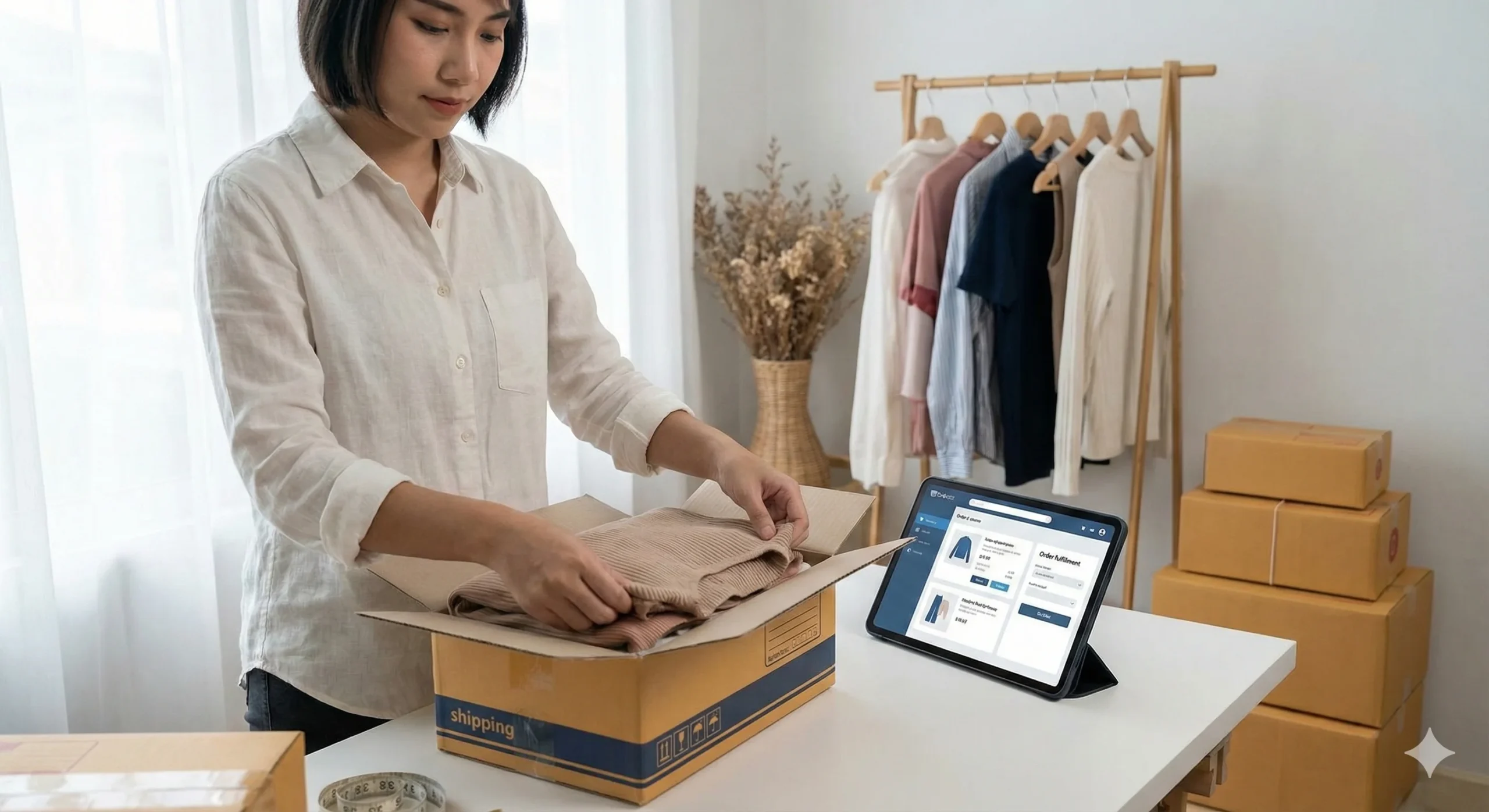
How to Start a Small Clothing Business From Home: A Complete Step-by-Step Guide
Starting a small clothing business from home is one of the most exciting and profitable ventures you can pursue today. With online shopping booming and platforms like Etsy, Instagram, and Shopify making it easier than ever to reach customers, you can build a successful clothing brand without needing a physical store or a huge investment.
Whether you love designing clothes, upcycling outfits, selling printed T-shirts, or curating stylish collections, a home-based clothing business gives you the freedom to be creative while earning income on your own terms.
This comprehensive guide will walk you through everything you need to know about how to start a small clothing business from home—from choosing your niche to marketing your brand effectively.
1. Define Your Niche
Before you start making or selling clothes, you need to clearly define your niche. A niche helps you stand out in a crowded market and attract the right customers.
Popular Clothing Niches:
- Handmade clothing
- Custom T-shirts and hoodies
- Kids and baby apparel
- Plus-size fashion
- Sustainable or eco-friendly clothing
- Athleisure wear
- Boutique women’s fashion
- Cultural or regional apparel
- Vintage or thrifted clothing
Choosing a niche that matches your passion and skills will make it easier to stay motivated and build a recognizable brand identity.
How to Choose the Right Niche
Ask yourself:
- What type of clothing am I excited to create or source?
- Who is my ideal customer?
- Does my niche have demand online?
- Is there too much competition, or can I offer something unique?
Once your niche is clear, creating designs, branding, and content becomes much easier.
2. Conduct Market Research
Successful businesses are built on strong research. Before launching your clothing business, spend time analyzing the market.
Key Things to Research:
Competitors
How to Start a Small Clothing Business From Home: A Complete Step-by-Step Guide
Visit their websites and social media. Look at:
- Their pricing
- Customer reviews
- Best-selling items
- Brand aesthetic
Customer Demand
How to Start a Small Clothing Business From Home: A Complete Step-by-Step Guide
Check platforms like:
- Etsy’s trending items
- Instagram and TikTok fashion trends
- Google Trends
- Amazon best-sellers
Your Unique Value Proposition
Ask yourself:
“What makes my clothing brand different?”
This could be your designs, materials, size inclusivity, or personalized customization.
Market research helps you position your clothing brand effectively and avoid common beginner mistakes.
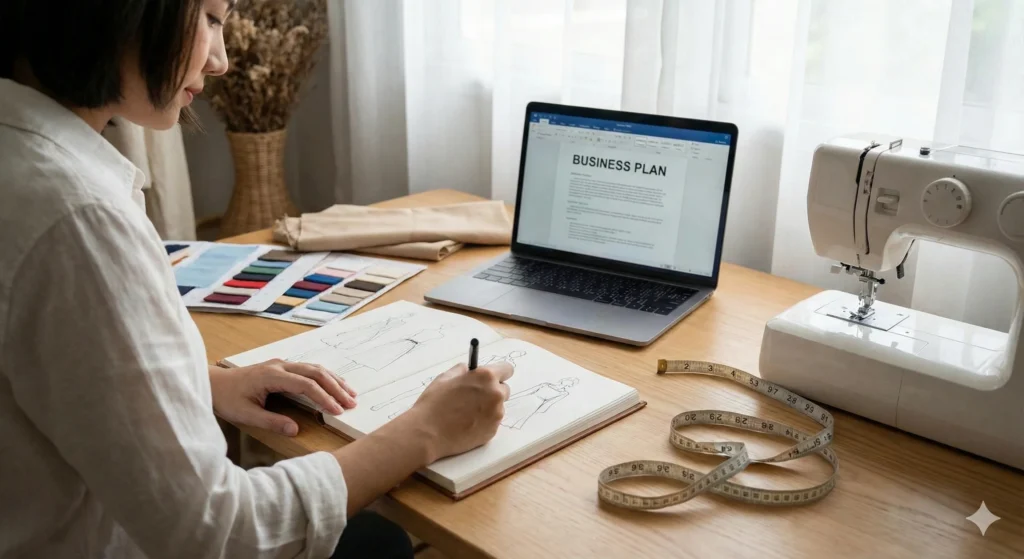
3. Create a Business Plan
A business plan doesn’t have to be complicated. It’s simply a clear roadmap for your business.
Your Clothing Business Plan Should Include:
- Business name and brand concept
- Target audience details
- Type of products you’ll sell
- Pricing strategy
- Budget and startup costs
- Marketing plan
- Profit goals
- Production process (handmade, dropshipping, supplier-based, etc.)
A well-structured plan helps you stay organized and focused as your business grows.
4. Choose a Memorable Business Name and Brand Identity
Your brand identity is what customers remember—and it plays a huge role in clothing businesses.
Elements of a Strong Clothing Brand:
- A unique business name
- A logo
- Color palette and fonts
- Brand voice (fun, elegant, modern, eco-friendly, etc.)
- Clear message—what your brand represents
Make sure your business name:
- Is easy to pronounce
- Reflects your niche
- Has an available domain name
- Is not already trademarked
Branding helps establish trust, professionalism, and recognition.
5. Decide What Type of Clothing Business You Want to Run
There are many ways to start a clothing business from home, depending on your skills, budget, and resources.
Option 1: Handmade Clothing Business
If you can sew or design, this is a great choice. Customers love unique, handcrafted pieces.
Option 2: Print-on-Demand Clothing
Perfect for graphic designers. You create digital designs, and printing companies handle the printing and shipping.
Popular POD platforms:
- Printful
- Printify
- Teespring
Option 3: Boutique Reseller
Buy clothes wholesale and resell them at a profit.
Great for fashion lovers who enjoy curating styles.
Option 4: Vintage or Thrift Store Clothing
Source secondhand or vintage items and resell them online. This trend is hugely popular right now.
Option 5: Dropshipping Clothing Store
Sell clothing without keeping inventory. Suppliers ship directly to customers.
Your choice depends on:
- Budget
- Production time
- Skills
- Space at home
6. Source Materials or Find Suppliers
Whether you make your own clothing or resell it, reliable suppliers are essential.
If You Make Clothing:
You’ll need suppliers for:
- Fabric
- Sewing tools
- Patterns
- Packaging
If You Resell Clothing:
Look for wholesalers that offer:
- Low minimum orders
- High-quality items
- Fast shipping
Popular wholesale sites include:
- Alibaba
- Fashion Go
- Tasha Apparel
- LA Showroom
Always order samples before committing to larger orders.
7. Set Up a Home Workspace
A dedicated workspace helps you stay organized and professional.
A Good Home Clothing Studio Includes:
- Storage racks for clothes
- Shelves and drawers for supplies
- A sewing machine (if handmade)
- Proper lighting
- A packaging station
- A mannequin or dress form
- A photography corner for product photos
Your workspace doesn’t need to be large—just efficient and clutter-free.
8. Price Your Products Correctly
Pricing is a major factor in your business success.
For Handmade Products:
Use this formula:
Materials + Labor + Overhead + Profit Margin = Final Price
For Reselling:
A common formula:
Wholesale Cost × 2.5 or 3 = Retail Price
For Print-on-Demand:
Price your products to cover:
- Base cost
- Design fee (your time)
- Profit margin
Don’t underprice your items. Customers are willing to pay more for unique clothing and personal brands.
9. Create High-Quality Product Photos
Clothing is highly visual, so good photos make a huge difference.
Tips for Great Product Photography:
- Use natural lighting
- Capture multiple angles
- Include close-up fabric shots
- Show the item worn on a model or mannequin
- Keep the background clean and simple
Good photos increase trust and drive more sales.
10. Set Up Your Online Store
There are many beginner-friendly platforms where you can sell clothing.
Popular ecommerce Platforms:
Shopify – Best for full-time businesses
Etsy – Great for handmade or unique clothing
Instagram & Facebook Shops – Perfect for social selling
Wix – Easy and affordable
Amazon Handmade – Good for artisan sellers
Depop & Poshmark – Excellent for vintage or curated fashion
Choose a platform based on your niche, budget, and long-term goals.
11. Promote Your Clothing Business
Marketing is key to bringing customers to your store.
Effective Marketing Strategies for Clothing Brands:
Social Media Marketing
Use platforms like Instagram, TikTok, Facebook, and Pinterest to:
- Post outfit photos
- Showcase behind-the-scenes clips
- Share customer reviews
- Create reels and styling tips
Influencer Collaborations
Partner with fashion influencers for:
- Try-on hauls
- Sponsored posts
- Giveaway promotions
SEO (Search Engine Optimization)
Write product descriptions and blog posts (like this one) using keywords customers search for, such as:
- “Affordable women’s clothing”
- “Custom T-shirts”
- “Handmade baby clothes”
Email Marketing
Send newsletters with:
- New arrivals
- Exclusive discounts
- Behind-the-scenes updates
Paid Advertising
Platforms like Facebook Ads, Instagram Ads, and TikTok Ads can quickly boost your reach.
12. Provide Excellent Customer Service
Great customer service helps turn first-time buyers into loyal fans.
Offer:
- Fast shipping
- Clear sizing charts
- Easy return policies
- Quick replies to messages
- Personalized thank-you notes
Happy customers spread the word and bring more business.
13. Scale Your Clothing Business
Once your home-based clothing business grows, you can expand by:
- Launching new collections
- Selling on more platforms
- Outsourcing production
- Hiring freelancers for marketing or packing orders
- Creating your own branded website
Growth happens gradually—focuses on consistency and quality.
Starting a small clothing business from home is not only achievable but extremely rewarding. With creativity, good planning, and consistent marketing, you can turn your passion for fashion into a profitable business.
Whether you choose to design your own clothing, sell curated pieces, or start a print-on-demand brand, the opportunity to make money from home has never been greater. Start small, stay consistent, and watch your clothing brand grow into something amazing.



One Comment on “How to Start a Small Clothing Business From Home: A Complete Step-by-Step Guide”