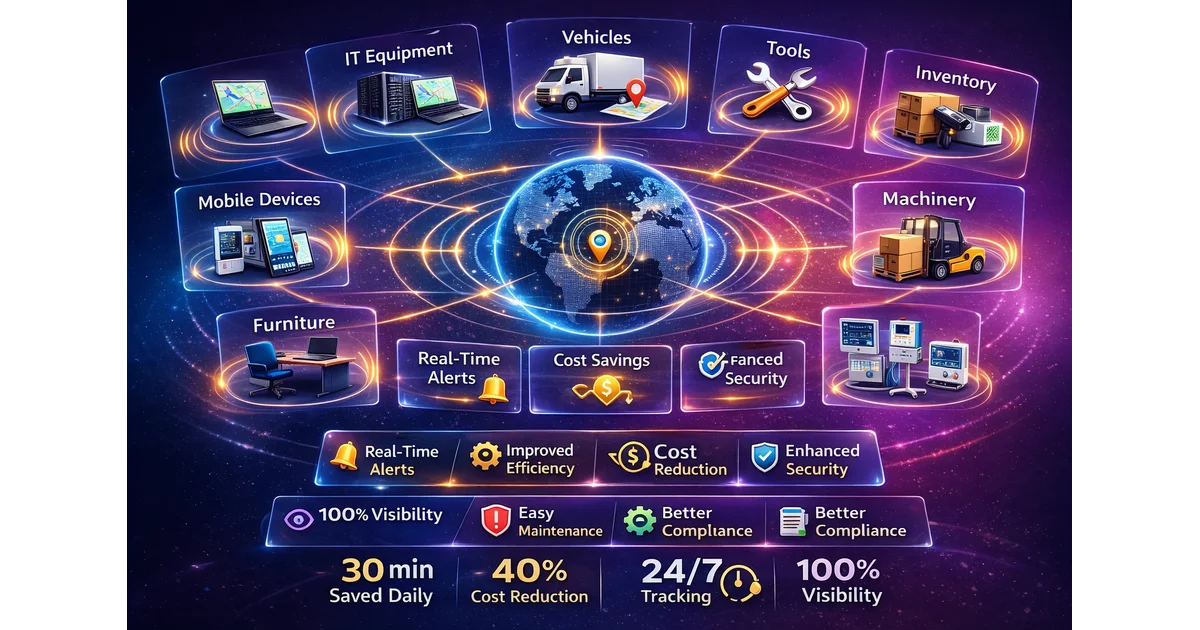
Top 8 Benefits of Asset Tracking for Your Business
In this blog, we will explore the top 8 benefits of asset tracking for your business, explain why it matters, and answer common questions people ask about asset tracking systems.
In today’s fast-paced and competitive business environment, organizations must operate smarter, not harder. One of the most effective ways to improve efficiency, reduce costs, and maintain control over valuable resources is asset tracking. Whether you manage a small business or a large enterprise, tracking physical assets such as equipment, vehicles, tools, or IT hardware can significantly impact your bottom line.
Asset tracking uses technologies like GPS, RFID, barcodes, QR codes, and IoT sensors to monitor the location, status, and usage of assets in real time. This visibility helps businesses make better decisions, improve productivity, and minimize losses.
What Is Asset Tracking?
Asset tracking is the process of monitoring physical assets throughout their lifecycle—from acquisition and deployment to maintenance and disposal. Businesses use asset tracking software combined with tracking hardware to collect data such as:
- Asset location
- Usage history
- Maintenance schedules
- Ownership details
- Asset condition
This data provides actionable insights that help organizations optimize operations and reduce unnecessary expenses.
1. Improved Asset Visibility and Control
One of the biggest benefits of asset tracking is complete visibility into your assets. Without a tracking system, businesses often rely on spreadsheets or manual records, which are prone to errors and outdated information.
With asset tracking:
- You know where each asset is located at any time
- You can see who is using it
- You can track idle or underutilized assets
This level of control prevents assets from being misplaced, forgotten, or misused, especially in businesses with multiple locations or remote teams.
2. Reduced Asset Loss and Theft
Asset loss and theft can cost businesses thousands—or even millions—of dollars every year. Construction companies, logistics providers, healthcare facilities, and IT firms are particularly vulnerable.
Asset tracking helps:
- Detect unauthorized movement
- Identify missing assets quickly
- Act as a deterrent against theft
GPS and RFID-enabled tracking systems send alerts when assets leave predefined areas, allowing businesses to respond immediately.
Result: Fewer lost assets, lower replacement costs, and improved security.
3. Increased Operational Efficiency
When employees waste time searching for tools, equipment, or vehicles, productivity suffers. Asset tracking eliminates this problem by providing instant access to asset information.
Benefits include:
- Faster asset retrieval
- Reduced downtime
- Streamlined workflows
For example, a warehouse team can locate forklifts instantly, while an IT department can identify available laptops without manual checks.
Operational efficiency directly impacts customer satisfaction, delivery timelines, and employee performance.
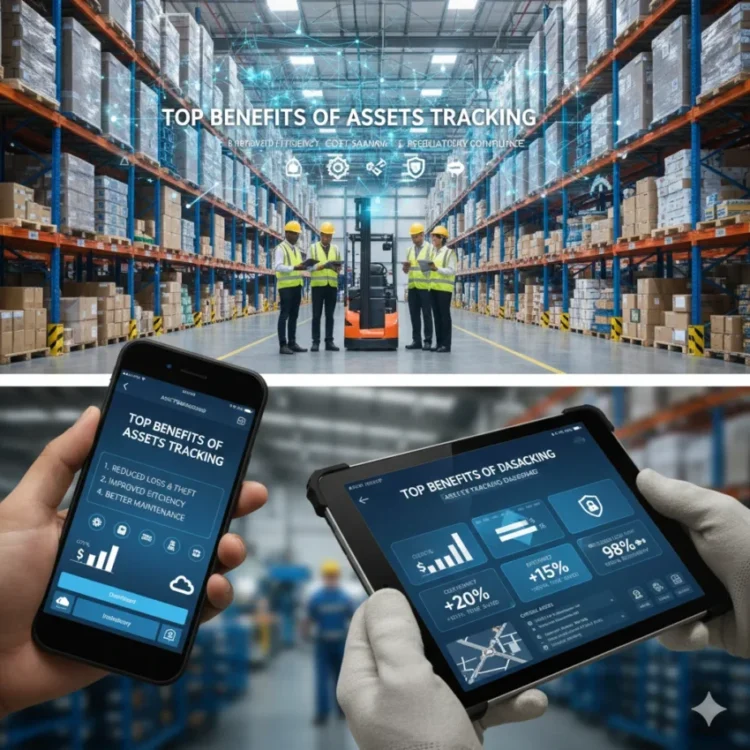
4. Better Asset Utilization : Top 8 Benefits of Asset Tracking for Your Business
Many businesses unknowingly purchase new assets while existing ones sit unused. Asset tracking provides insights into how often assets are used and whether they are delivering value.
With utilization data, businesses can:
- Avoid unnecessary purchases
- Reallocate underused assets
- Maximize ROI on existing equipment
This is especially valuable for capital-intensive industries such as manufacturing, construction, and healthcare.
5. Lower Maintenance and Repair Costs
Unexpected equipment breakdowns can disrupt operations and lead to costly repairs. Asset tracking systems help businesses move from reactive maintenance to preventive maintenance.
Key advantages:
- Automated maintenance schedules
- Real-time condition monitoring
- Reduced equipment downtime
By servicing assets before they fail, businesses extend asset lifespan and reduce emergency repair expenses.
6. Accurate Inventory Management
Asset tracking plays a crucial role in maintaining accurate inventory records. Manual inventory audits are time-consuming and often inaccurate.
With automated asset tracking:
- Inventory counts are always up to date
- Human error is minimized
- Audits become faster and easier
This is particularly useful for retail, logistics, healthcare, and IT asset management, where compliance and accuracy are critical.
7. Improved Compliance and Reporting
Many industries must comply with strict regulations related to asset usage, safety, and data protection. Asset tracking simplifies compliance by maintaining detailed digital records.
Asset tracking systems help with:
- Regulatory audits
- Insurance claims
- Financial reporting
- Tax documentation
Having accurate asset data readily available reduces legal risks and ensures smooth audits.
8. Enhanced Decision-Making with Data Insights
Modern asset tracking systems generate valuable data that supports strategic decision-making. Business leaders can analyze trends related to asset usage, maintenance, and performance.
These insights help:
- Forecast future asset needs
- Optimize budgets
- Plan asset replacements
- Improve long-term business strategy
Data-driven decisions give businesses a competitive edge and reduce guesswork.
Industries That Benefit Most from Asset Tracking
Asset tracking is useful across many industries, including:
- Construction – Tools, machinery, and vehicles
- Healthcare – Medical equipment and devices
- Logistics & Transportation – Fleet and cargo tracking
- Manufacturing – Production equipment
- IT & Corporate Offices – Laptops, servers, and hardware
- Retail – Inventory and point-of-sale assets
People Also Ask
What is asset tracking used for?
Asset tracking is used to monitor the location, usage, condition, and lifecycle of physical assets. It helps businesses reduce losses, improve efficiency, and make data-driven decisions.
How does asset tracking improve business efficiency?
Asset tracking improves efficiency by reducing time spent searching for assets, preventing downtime, optimizing asset utilization, and automating maintenance and inventory processes.
What technologies are used in asset tracking?
Common asset tracking technologies include GPS, RFID, barcodes, QR codes, Bluetooth beacons, and IoT sensors. The choice depends on business needs and asset type.
Is asset tracking expensive for small businesses?
Asset tracking is scalable and affordable for small businesses. Cloud-based solutions and barcode systems offer cost-effective options with significant long-term savings.
Can asset tracking prevent theft?
Yes, asset tracking helps prevent theft by providing real-time location data, movement alerts, and usage logs, making it easier to detect and respond to unauthorized activity.
How to Choose the Right Asset Tracking System
When selecting an asset tracking solution, consider:
- Asset type and quantity
- Required tracking technology
- Integration with existing systems
- Reporting and analytics features
- Scalability and cost
Choosing the right system ensures maximum return on investment.
References
- Aberdeen Group. (2022). “Asset Tracking and Management: Benchmark Report.” Aberdeen Strategy & Research.
- Gartner Research. (2023). “Market Guide for Asset Tracking and Management Solutions.” Gartner, Inc.
- International Journal of Production Economics. (2024). “The Impact of RFID Technology on Asset Management Efficiency.”
- U.S. Chamber of Commerce Foundation. (2023). “Small Business Asset Management: Best Practices and Technology Adoption.”
- McKinsey & Company. (2024). “Digital Asset Management: Creating Value Through Technology.”
- Journal of Facilities Management. (2023). “ROI Analysis of Asset Tracking Systems in Multi-Site Operations.”